How to Hide an Object Before Animation in PowerPoint Without Errors
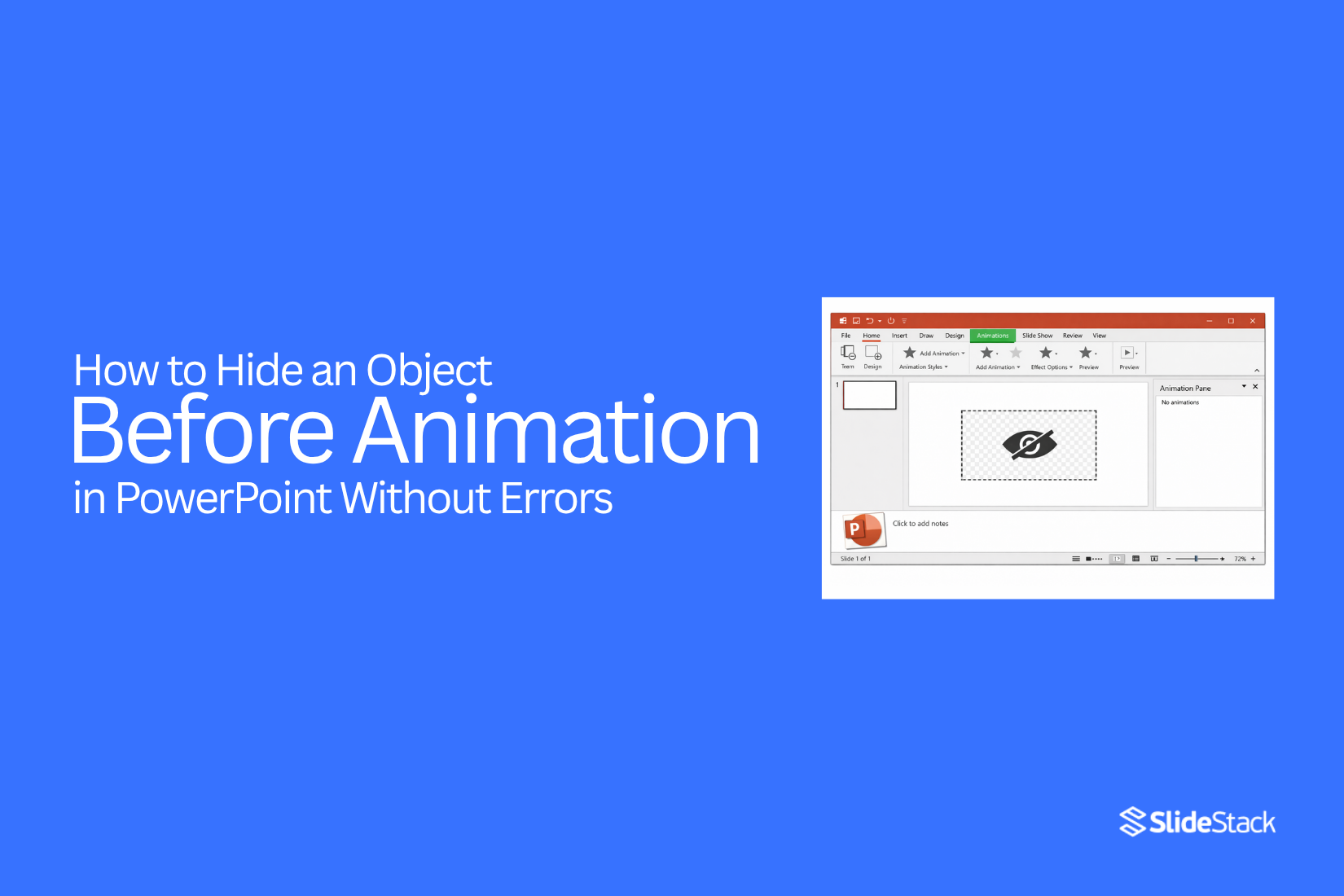
Many PowerPoint users struggle when objects appear on slides before their animations start. This can disrupt the flow of a presentation and make slides look unprofessional. The problem often comes from animation settings that are easy to overlook or misunderstand.
Fortunately, there are simple ways to hide objects until the exact moment they should appear. By adjusting animation options and using built-in tools like the Animation Pane or Selection Pane, you can prevent these early appearances and maintain clean, smooth slides.
Following this guide will show you step by step how to control object visibility, avoid common mistakes, and create polished animations that impress your audience.
Why Objects Appear Before Animation Starts
Sometimes, objects show up on your slide before an animation begins. This can happen if the object’s visibility is set to show automatically. Another reason is that the animation order might not be correct. PowerPoint plays objects in the order they appear on the timeline.
Hidden objects may also appear if you copied them from another slide. The original settings can carry over, causing them to show too early.
Understanding why this happens helps you fix it quickly. You can control when each object appears by adjusting the animation settings. This ensures your slides look clean and professional.
When You Should Hide Objects Before Animation
Hiding objects before animation can help your slides look clean. It stops objects from appearing too early. Use it when you want the audience to focus on one thing at a time.
It also works well when objects overlap. If two items share the same space, hiding one keeps the slide neat.
You can hide objects before introducing them. This way, they only appear at the right moment. It makes your presentation easier to follow and less distracting.
Step-by-Step Guide to Hide an Object Before Animation
Hiding an object before it appears in PowerPoint is simple. You just need to know which objects to animate and have a clear plan for their timing. Follow these steps for a smooth process.
Open Your Slide
Open your PowerPoint presentation. From the slide menu on the left, select the slide you want to work on.
Place Your Objects
Add your objects to the slide where they should appear. Adjust the size and position so everything looks right. For example, you might be using icons, shapes, or images.
Select the Object
Click the object you want to hide. Go to the Animations tab. Pick an entrance animation like Appear, Fade, or Fly In. Using an entrance animation ensures the object stays hidden until it animates.
Set the Timing
Choose how the animation starts. Options include On Click, With Previous, or After Previous. For instance, you might have an icon appear when you click the mouse, while another follows automatically.
Repeat for Other Objects
Do the same steps for each object you want to hide before it appears. Each object can have its own entrance and timing.
When you finish, your slide is ready. Objects will stay hidden until their animations play, keeping your presentation clean and organized.
Advanced Method: Using the Selection Pane to Hide Objects
The Selection Pane is a tool in PowerPoint that helps you manage all the items on a slide. You can see every object, including shapes, images, and text boxes, in a list.
To open it, go to the Home tab, click Select, and choose Selection Pane. A panel appears on the right side of the screen.
Each object has an eye icon next to it. Click the eye to hide the object. Click it again to make the object visible.
This method is useful when you have many objects on a slide. You can hide items without deleting them. It keeps your slide organized and makes animations easier to control.
Using the Selection Pane also helps you check which objects are animated. You can hide some objects while keeping others visible for a smooth presentation.
Common Mistakes That Cause Objects to Show Early
One common mistake is forgetting to set the object’s initial visibility. If the object is visible before the animation starts, it can appear too soon.
Another issue is overlapping animations. If two animations run at the same time, one may trigger the object early.
Using the wrong animation trigger is also a frequent problem. Objects set to start “After Previous” or “With Previous” can appear before you want.
Finally, layering objects incorrectly can cause them to show in front of other elements. Always check the order of objects on your slide.
Pro Tips for Smooth and Professional Animations
- Keep it simple. Avoid using too many effects at once. A clean animation looks polished and keeps the audience focused.
- Use consistent timing. Make sure similar objects move at the same speed. This makes your slides feel organized and professional.
- Align objects carefully. Even small misalignments can make animations look messy. Check spacing and placement before animating.
- Preview your animations. Play the slide show to see how everything flows. Fix any awkward or jarring movements.
- Match animation style to content. Use subtle fades or slides for text, and gentle motion paths for shapes or images.
- Limit repetition. Repeating the same animation can be distracting. Vary the style to maintain interest.
- Group related elements. Animating a group together looks smoother than animating each item separately.
- Use motion paths wisely. Draw clear, logical paths for objects to follow. Avoid sudden or sharp movements that confuse viewers.
Troubleshooting Animation Issues
Animations can act up even in simple slides. Objects may appear too early, move the wrong way, or not show at all. These problems can make your presentation look messy.
Check the animation order first. Open the Animation Pane and see the list. Make sure each object is set to appear in the correct sequence.
Next, review the start options. An object set to start “With Previous” may appear before you want it to. Changing it to “On Click” gives you control over timing.
Sometimes, overlapping animations cause glitches. Two effects on the same object can fight each other. Remove extra animations and keep only the ones you need.
Finally, watch out for hidden objects. If an object is off the slide or behind another, it may act strangely. Bring it forward or place it where it can appear clearly.
Alternative Techniques to Control Object Visibility
Sometimes, hiding an object before animation is not enough. Other methods can help you control when and how objects appear. You can use layering to place objects behind others. This keeps them out of sight until the right moment. Another option is to use the Selection Pane. It lets you toggle object visibility quickly. You can also group objects together and animate the group as a single unit. This makes managing multiple items easier. Each technique gives you more control and keeps your slides organized.
Final Thoughts:
Mastering object visibility in PowerPoint ensures your slides look professional and flow smoothly. By hiding objects before their animations, you control what your audience sees and when. Using tools like the Animation Pane and Selection Pane makes this process simple, even with complex slides.
Avoid common mistakes like incorrect timing, overlapping animations, or misplaced layers. Keep animations clean, consistent, and purposeful. Preview slides regularly to catch issues early and refine motion paths, alignment, and pacing.
Alternative techniques like grouping objects or layering add flexibility and make managing multiple elements easier. With these strategies, every animation appears exactly when it should, keeping your presentation polished and engaging.
The next time you prepare a slide deck, these methods will save time and prevent distracting errors. Clean animations let your content shine and help your audience stay focused on the message.
FAQs:
1. Why do objects appear before animation in PowerPoint?
Objects may appear early if their visibility is set to show automatically or if the animation order is incorrect.
2. How can I hide an object until its animation starts?
Use an entrance animation and the Animation Pane to control when the object appears.
3. What is the Selection Pane, and how does it help?
The Selection Pane shows all objects on a slide. You can hide or show items quickly without deleting them.
4. Can copying objects from other slides cause visibility issues?
Yes. Objects can carry over animation settings from the original slide, making them appear too soon.
5. When should I hide objects before animation?
Hide objects when you want the audience to focus on one item at a time or when items overlap on the slide.
6. What common mistakes make objects show early?
Incorrect start options, overlapping animations, and wrong layering can cause early appearances.
7. How can I fix overlapping animations?
Remove extra animations and ensure only the needed effects are applied.
8. Is it better to animate grouped objects or single objects?
Grouping related items and animating the group keeps the movement smooth and easier to manage.
9. How do I preview my animations?
Use the Slide Show or Animation Pane preview to check timing and flow before presenting.
10. Can motion paths affect object visibility?
Yes. Objects may appear in the wrong place if motion paths are abrupt or unclear. Draw smooth, logical paths.
11. What other techniques control object visibility?
Layering objects, using the Selection Pane, and grouping items provide extra control over when objects appear.


You may also be interested in ...

How To Create An Eye-Catching Portfolio
If you’re looking to create an eye-catching portfolio, this post will come in handy. In this article, you can find the easies...
23 Jun, 2024

How To Easily Create An Infographic
Infographics are the perfect way to make a presentation that will impact an audience, but their design and composition might...
08 Jun, 2024

PowerPoint Template Tips & Tricks You Ne...
PowerPoint seems to be an unknown world for many people, especially those who have been assigned to create a presentation out...
08 Jun, 2024