How to Create a Persuasive Story That Captivates Your Audience
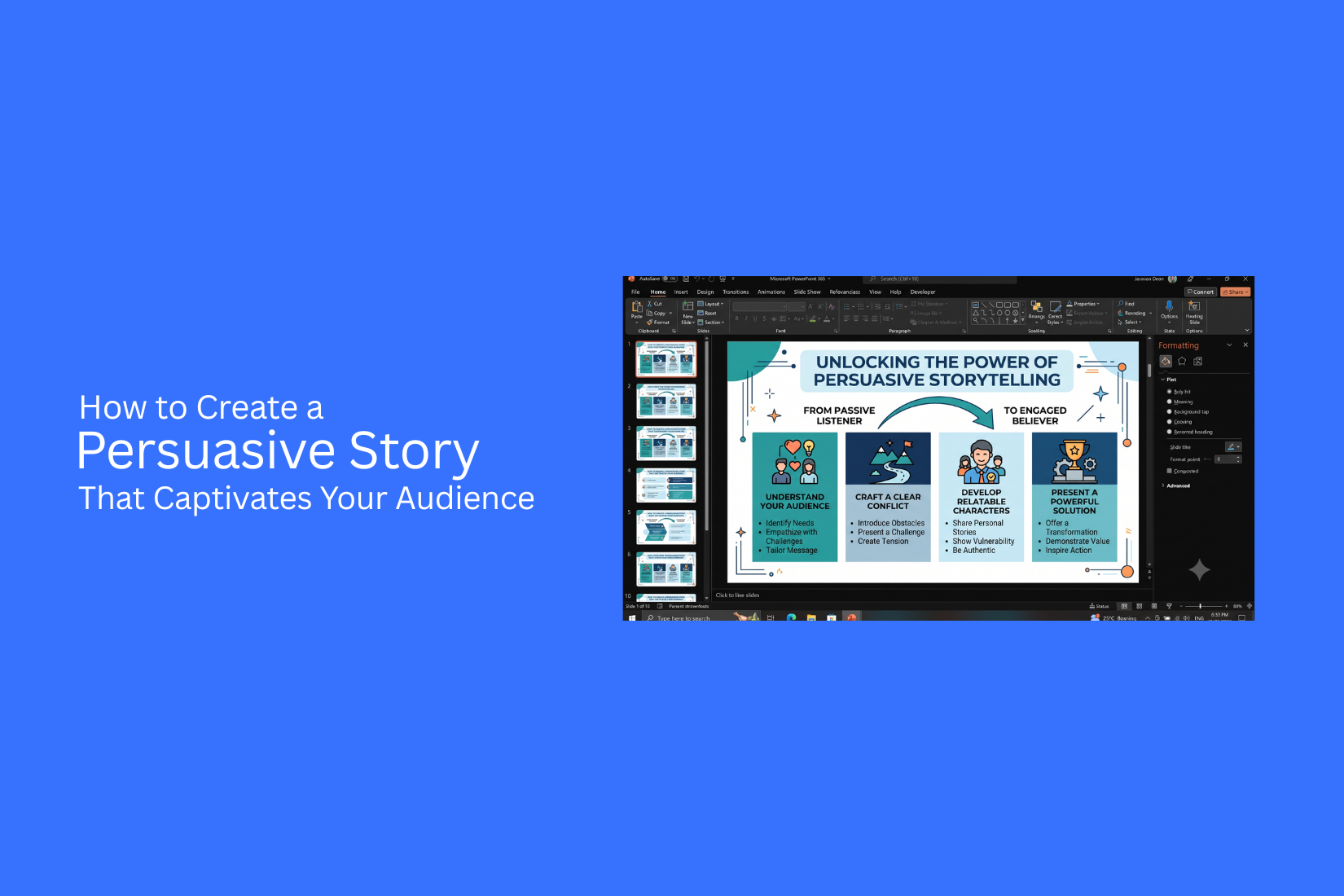
Creating a persuasive story can be challenging. Many writers and presenters have strong ideas but struggle to shape them into a message that connects with people. A story without a clear structure may lose attention and make the main point harder to understand clearly.
That is where a clear storytelling approach helps. A weak story can leave audiences confused, reduce interest, and make a valuable message feel less meaningful. A persuasive story uses structure, emotion, and a focused goal to guide people toward an idea.
This article explains the key parts of persuasive storytelling and shows how to build stories for presentations, marketing, business, and other situations with better audience connection and lasting impact.
What is a Persuasive Story and Why Does it Work?
A persuasive story is a structured narrative designed to influence how people understand an idea, feel about a topic, or make a decision. It combines facts, emotions, and human experiences to create a message that feels meaningful and easy to remember. Unlike a simple explanation, a persuasive story guides the audience through a clear journey with a problem, change, and outcome.
Traditional argument-based communication often focuses on facts, data, and logical points. This approach can explain why something matters, but it may not always create a strong connection with the audience. A persuasive story adds context by showing how an idea affects real people, situations, or experiences. It helps the audience see the value behind the message instead of only reviewing information.
Stories work well because the human brain is naturally better at remembering connected information. A list of facts may provide details, but a story gives those details meaning. Research by cognitive psychologist Jerome Bruner found that people are more likely to remember information presented as a story than information shared only through facts. Stories create a mental structure that helps people organize and recall ideas.
Emotions also play a key role in decision-making. Research from neuroscientist Antonio Damasio shows that emotions influence choices and judgments. A persuasive story connects information with feelings, helping audiences understand why a message matters. This does not replace facts. Instead, it gives facts a stronger context. Books such as Made to Stick by Chip Heath and Dan Heath explain that ideas become more memorable when they are simple, unexpected, concrete, credible, and connected to emotions. Storytelling uses many of these principles by turning abstract messages into clear examples that people can follow.
This makes persuasive stories useful in presentations, business pitches, educational talks, and leadership communication. A presenter sharing a company goal can explain numbers and plans, but a story about a customer problem or a real challenge can help the audience understand the purpose behind those details. A strong persuasive presentation does not depend only on data or design. It combines evidence with a story that helps people connect with the message. By using storytelling principles, presenters can create communication that informs the audience and supports better understanding and decision-making.
Core Elements of a Persuasive Story
A persuasive story needs more than a clear message. It needs a structure that helps people follow the idea, understand the problem, and see the value of the solution. Each part of the story has a role. A strong story connects facts with human experiences so the audience can relate to the message.
A Clear Audience Focus
Every persuasive story starts with the audience. The story should match their needs, goals, concerns, and experiences. A message becomes stronger once people feel that the story speaks directly to them. Before creating the story, identify what your audience cares about most. Their challenges and questions should guide the direction of your message.
A Strong Beginning
The opening sets the tone for the entire story. A good start grabs attention and gives people a reason to keep listening. A strong beginning can introduce a common problem, share a meaningful moment, or raise a question. The goal is to create interest and make the audience want to know what happens next.
A Real Problem or Conflict
A persuasive story needs a challenge. Without a problem, there is no reason for the audience to follow the journey. The conflict shows what needs to change. It helps people understand the situation and creates a clear reason for the solution that comes later.
A Relatable Character or Example
People connect with stories through people, not just information. A character, customer, team, or real-life example gives the audience something they can relate to. The example should reflect the audience’s situation. It helps turn an abstract idea into something easier to understand.
A Clear Solution
The solution explains how the problem is addressed. It should connect directly with the challenge shown in the story. A good persuasive story does not simply present an idea. It shows how the idea creates a better outcome and why it matters to the audience.
A Memorable Ending
The final part of the story should reinforce the main message. It should leave the audience with a clear idea, feeling, or action to take. A strong ending brings the story back to its purpose. It helps people remember the message after the presentation ends.
How to Build a Persuasive Story Step by Step
A persuasive story needs a clear structure. Each part should guide the audience from a problem to a possible solution. A strong story does more than share information. It helps people understand why an idea matters and what action they should take.
Identify Your Audience’s Needs and Concerns
Start by learning what your audience cares about. A story works better when it connects with real needs, questions, or challenges. Think about the problems your audience faces. What goals are they trying to reach? What doubts may stop them from taking action? These answers help you create a story that feels relevant. A good persuasive story puts the audience at the center. The message should focus on their situation instead of only talking about your idea.
Define the Main Goal of Your Story
Every persuasive story needs one main purpose. Decide what you want your audience to understand, believe, or do after hearing your story. A clear goal keeps the story focused. It also helps you choose the right examples, details, and message. Avoid adding too many ideas into one story. A focused message is easier for people to follow and remember.
Create a Strong Opening Hook
The opening sets the direction of your story. A strong hook gains attention and gives people a reason to keep listening. Start with a question, a surprising fact, a personal moment, or a common challenge. The first few lines should connect with the audience and introduce the topic naturally. A weak opening can make people lose interest before the main message begins. A clear and relevant start creates a better connection.
Develop the Problem and Build Tension
A persuasive story needs a problem that the audience can understand. The problem creates a reason for change. Explain the challenge in a simple way. Show the effects of the problem and why it needs a response. Details help people see the situation more clearly. The tension should grow as the story moves forward. This keeps the audience interested and prepares them for the solution.
Present the Solution Through the Story
After showing the problem, introduce the solution as part of the journey. Explain how the idea, product, or action helps solve the challenge. Use examples and real situations to show the value of the solution. A story-based explanation often feels more natural than a list of features or facts. Connect the solution back to the audience’s needs. This helps them see how the message applies to their own situation.
End With a Clear Call to Action
A persuasive story should guide the audience toward a next step. The ending should make the desired action easy to understand. Tell your audience what they should do after hearing the story. The action can be trying a new approach, making a decision, or learning more about a topic. A clear call to action gives the story a strong ending and helps turn interest into action.
Storytelling Frameworks for Persuasive Communication
A strong story needs a clear structure. Without a clear path, the message can feel confusing or lose the audience’s attention. Storytelling frameworks help organize ideas, build a logical flow, and guide people toward a specific action or decision. Different frameworks work for different goals. Some focus on personal change. Others highlight a problem and show how to solve it. Choosing the right structure helps create a story that feels natural and easy to follow.
The Hero’s Journey Framework
The Hero’s Journey framework follows a character through a challenge, change, and growth. The audience connects with the character because they see a clear struggle and a meaningful result. This structure usually starts with a person facing a problem. The character then enters a new situation, learns from challenges, and finds a better way forward. The story ends with a lesson or result that shows the value of the journey. This framework works well for customer stories, brand stories, and presentations that focus on personal experiences. The audience follows the character’s progress and understands the reason behind the final message.
The Problem-Agitate-Solution Framework
The Problem-Agitate-Solution framework starts by showing a problem the audience understands. The story then explains why the problem matters and how it affects people. The final step presents a solution that helps solve the issue. This structure works because it connects with the audience’s needs. A clear problem creates interest. A deeper look at the challenge builds awareness. The solution gives the audience a clear next step. For example, a business presentation can begin with a common customer issue. The story can show the impact of that issue before introducing a product, service, or idea as the answer.
The Before-After-Bridge Framework
The Before-After-Bridge framework shows a change from an old situation to a better one. It helps the audience understand the value of a solution by comparing two different outcomes. The “Before” section explains the current problem or struggle. The “After” section shows the results people want to achieve. The “Bridge” section explains how the change happens. This structure is useful for presentations, sales messages, and case studies. It creates a simple path from a challenge to a desired result.
The Situation-Complication-Resolution Framework
The Situation-Complication-Resolution framework builds a story through three main parts. The first part explains the current situation. The second part introduces a problem or conflict. The final part presents the resolution. This framework helps create a clear story flow. The audience first understands the background, then sees the challenge, and finally learns how the issue was handled. It works well for business presentations, reports, and strategic discussions. The structure keeps information organized while helping the audience understand why the solution matters.
How to Make Your Story More Engaging
A persuasive story needs more than a clear message. It needs a connection with the audience. People pay closer attention to stories that feel real, show a clear purpose, and create a reason to keep listening. Small details, relatable moments, and strong evidence can turn a simple story into one that people remember.
Use Emotional Triggers
Emotions help people connect with a story. A story that creates feelings such as hope, concern, excitement, or empathy feels more meaningful to the audience. Start by understanding what matters to your listeners. Show a challenge they may recognize or a goal they want to reach. The emotional part of the story should support your main message, not distract from it. A good persuasive story often follows a simple path. It introduces a problem, shows why it matters, and explains how a solution can create a better result.
Add Real Examples and Personal Experiences
Real examples make a story easier to trust. They give the audience a clear picture of how an idea works in practice. Personal experiences can also make your message feel more human. A short story about a mistake, a lesson learned, or a change in approach can help people connect with your point. The example does not need to be long. A few specific details can make the situation feel real and help your audience understand the message better.
Use Visual Details to Create Strong Images
Words can help your audience see the situation in their mind. Adding clear details makes your story easier to follow and remember. Describe the setting, the people involved, and the challenge they faced. Simple details can help create a stronger picture without adding unnecessary information. For example, instead of saying someone had a difficult project, explain the problem they faced, the pressure they felt, and the steps they took to solve it.
Create Curiosity With Open Loops
Curiosity keeps people interested in what happens next. An open loop creates a question in the audience’s mind and encourages them to continue following the story. You can create curiosity by introducing a challenge, sharing an unexpected moment, or delaying part of the answer until later in the story. A strong open loop should support the main message. It should guide the audience through the story instead of creating confusion.
Balance Emotion With Facts and Evidence
Emotion helps people connect with a story, but facts help build trust. A persuasive story needs both. Use data, examples, research, or results to support the message. Facts show that the story is based on real information, while emotions help the audience understand why it matters. The best stories combine human experiences with clear evidence. This balance helps the audience feel connected and confident in the message.
How to Use Persuasive Stories in Presentations
A persuasive story can help your audience follow your ideas and understand your message. A good presentation does more than share facts. It creates a clear path that connects the problem, the solution, and the reason behind your message. Stories help people stay focused and remember key points.
Start Your Presentation With a Story Hook
The opening of your presentation sets the tone for the entire talk. A story hook gives your audience a reason to pay attention from the start. Begin with a real situation, a common challenge, or a short personal example. The story should connect to the main topic of your presentation. A strong opening helps your audience understand why the subject matters.
For example, a business presentation about customer service can start with a short story about a customer facing a problem. The story creates context before sharing facts or solutions.
Turn Data Into a Narrative
Numbers and facts can support your ideas, but they may feel difficult to follow without context. A narrative gives data a clear meaning. Instead of showing a chart and moving on, explain what the numbers reveal. Share the problem behind the data, the change that happened, and the result. This approach helps your audience see the reason behind each statistic. A simple story structure can make complex information easier to understand. Start with the situation, explain the challenge, and show how the data supports your point.
Use Stories to Explain Problems and Solutions
Stories can make problems feel more real. They show how an issue affects people, teams, or businesses. Start by describing the current situation. Explain the challenge and the effects it creates. Then introduce the solution and show how it improves the situation. This structure helps your audience follow your ideas step by step. It also creates a clear connection between the problem and the action you want them to take.
Add Customer Stories and Case Studies
Customer stories and case studies provide real examples of how an idea works in practice. They show the journey from a challenge to a result. A strong case study includes the customer's situation, the problem they faced, the solution they used, and the outcome. Keep the focus on the experience instead of only listing results. These stories help your audience relate to the message. They can see how your ideas apply to real situations.
End Your Presentation With a Memorable Message
The final part of your presentation gives your audience the last idea to remember. A story-based ending can leave a stronger impression than a simple summary of points. Return to the main story or share a final example that connects with your goal. A clear closing message reminds your audience why your presentation matters and what action they should take next. A strong ending does not need many words. A simple message tied to your story can stay with your audience after the presentation ends.
Common Persuasive Storytelling Mistakes to Avoid
A persuasive story needs a clear purpose and a strong connection with the audience. Small mistakes can make the message less effective. Knowing these common problems helps you create stories that feel clear, relatable, and focused.
Making the Story Too Focused on Yourself
A persuasive story should not only highlight the storyteller’s experience. The audience needs to see how the story connects with their own needs, problems, or goals. Sharing personal experiences can build trust, but the main focus should stay on the audience. A story becomes stronger by showing a shared challenge and a useful lesson.
Adding Too Many Unnecessary Details
Extra details can distract the audience from the main message. A good story keeps only the parts that support the main idea. Every detail should help explain the problem, show progress, or lead toward the solution. Removing unrelated information keeps the story clear and easier to follow.
Using Facts Without Emotional Context
Facts can support a story, but numbers and data alone may not create a strong connection. People need to understand why the information matters. Adding a human side helps the audience relate to the message. A simple example, personal experience, or real challenge can give facts more meaning.
Creating a Weak or Unclear Ending
The ending shapes how the audience remembers the story. A weak ending can leave the message feeling incomplete. A strong ending should repeat the main point and guide the audience toward the next step. The audience should clearly understand the message you want them to take away.
Forgetting the Audience’s Perspective
A story works best when it reflects the audience’s point of view. A message that ignores their concerns may feel distant. Before creating a story, understand what the audience cares about and what questions they may have. A story built around their experiences feels more relevant and creates a stronger connection.
Tips to Improve Your Persuasive Storytelling Skills
Strong storytelling skills grow with practice. A good persuasive story needs clear ideas, a strong structure, and a message that connects with the audience. Small improvements in your process can help you create stories that are easier to follow and more meaningful.
Study Successful Stories and Presentations
Review stories from presentations, speeches, books, or videos that hold your attention. Look at how the story starts, how the problem is introduced, and how the message is shared. Pay attention to the details that make the story work. Notice the emotions, examples, and structure used by the speaker. This practice helps you understand why some stories create a stronger impact than others.
Practice Story Structure Before Writing
A clear structure gives your story a strong direction. Before writing, outline the main parts of your story. Start with the situation, introduce the challenge, explain the response, and end with the result. Planning the structure first helps you avoid confusing ideas. It also makes it easier to keep your message focused from beginning to end.
Simplify Your Main Message
A persuasive story works best with one clear message. Too many ideas can make the audience lose focus. Choose the main point you want people to remember. Remove details that do not support that message. A simple and direct story is easier for people to understand and recall.
Test Your Story With Different Audiences
Sharing your story with different people can reveal areas that need improvement. Ask them what they understood, what they found interesting, and where they felt confused. Their feedback helps you see the story from another view. You can adjust the message, examples, or structure based on their responses.
Improve Your Delivery and Presentation Style
The way you tell a story affects how people receive it. Your voice, timing, body language, and slide design all play a role. Practice your delivery to sound natural and confident. Use pauses to highlight key moments. Match your tone with the feeling of the story so your audience stays connected to the message.
Examples of Persuasive Stories for Different Situations
Persuasive stories can support many types of communication. A strong story gives people a clear reason to care, follow an idea, or take action. The best stories match the audience, goal, and message.
Business Pitch Stories
A business pitch story explains a problem, the people affected by it, and the solution a company provides. It helps investors, partners, or customers understand the value behind an idea. A good pitch often starts with a real situation. It may show a customer struggle, a market gap, or a challenge that needs a better answer. The story then shows how the product, service, or company creates a positive change.
For example, a startup founder can share the story of a customer who spent hours solving a common problem. The founder can then explain how their product saves time and creates a better experience.
Marketing Campaign Stories
Marketing stories connect a brand message with customer needs and feelings. They move beyond product details by showing how a product fits into a person’s life. A campaign story may focus on a customer journey. It can show a challenge, the steps taken to solve it, and the result after using a product or service.
For example, a fitness brand may share a customer’s journey from struggling with daily habits to building a healthier routine. The story creates a personal connection and shows the value of the brand.
Leadership and Team Stories
Leaders use stories to share goals, build trust, and guide teams. A clear story can help employees understand why a project matters and how their work supports a larger goal. A leadership story may include a challenge the team faced, the actions they took, and the lesson they learned. These stories can also highlight teamwork, growth, and shared success.
For example, a manager can share how a team handled a difficult project by working together and finding better ways to solve problems.
Educational and Training Stories
Stories make lessons easier to understand and remember. Teachers and trainers use them to explain ideas through real examples and situations. An educational story can turn a complex topic into a simple experience. It gives learners a situation they can relate to and a reason to apply the lesson.
For example, a trainer teaching customer service skills can share a story about an employee handling an upset customer. The example shows how communication skills work in a real setting.
Final Notes
A persuasive story helps people understand ideas through a clear message, real experiences, and a strong structure. The best stories do not only share information. They show why the message matters to the audience. Building a strong story takes practice. Start with your audience, define your goal, create a clear problem, and guide people toward a solution. Use real examples, simple details, and facts to make your message easier to follow. A well-built story can support presentations, business communication, marketing campaigns, and learning experiences. Focus on creating a message that feels relevant and useful. A clear story can help your audience remember your ideas and take the next step with confidence.
FAQs
What is a persuasive story?
A persuasive story is a narrative that helps people understand an idea and encourages them to take action. It combines a clear message, real examples, and emotions to create a stronger connection with the audience.
Why are stories effective in persuasion?
Stories help people connect information with real situations and experiences. They make ideas easier to understand and remember compared to sharing facts alone.
What are the main parts of a persuasive story?
A persuasive story usually includes an audience focus, a clear beginning, a problem, a relatable example, a solution, and a memorable ending. These parts help guide the audience through the message.
How can I start a persuasive story?
Start with a strong opening that connects with your audience. You can begin with a question, a real situation, a common problem, or a short personal experience related to your topic.
How do I make a story more engaging?
Use real examples, clear details, and emotions that support your main message. Keep the story focused and remove details that do not help the audience understand the point.
Can persuasive storytelling be used in business presentations?
Yes. Businesses use persuasive stories in pitches, sales presentations, marketing campaigns, and leadership talks. Stories help explain problems, solutions, and customer experiences in a clear way.
What storytelling frameworks can help create persuasive stories?
Frameworks like the Hero’s Journey, Problem-Agitate-Solution, Before-After-Bridge, and Situation-Complication-Resolution help organize a story. They provide a simple structure for building a clear message.
How do facts and emotions work together in a persuasive story?
Facts provide support and build trust. Emotions help people understand why the information matters. Combining both creates a message that feels clear and meaningful.
What mistakes should I avoid in persuasive storytelling?
Avoid making the story only about yourself, adding unnecessary details, using facts without context, and ending without a clear message. The story should focus on the audience and the purpose behind the message.



You may also be interested in ...

How To Create An Eye-Catching Portfolio
If you’re looking to create an eye-catching portfolio, this post will come in handy. In this article, you can find the easies...
23 Jun, 2024

How To Easily Create An Infographic
Infographics are the perfect way to make a presentation that will impact an audience, but their design and composition might...
08 Jun, 2024

PowerPoint Template Tips & Tricks You Ne...
PowerPoint seems to be an unknown world for many people, especially those who have been assigned to create a presentation out...
08 Jun, 2024